
Lilly
How to Plan Multiple Food Trucks for an Event
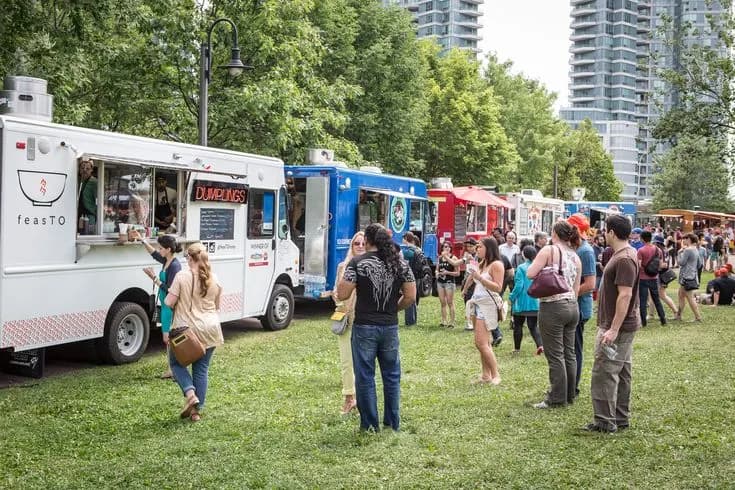
Planning food for a large event can be challenging when guests have different tastes, dietary needs, and schedules. Using multiple food trucks for an event can provide more menu variety while helping distribute guests across several food service points.
Multiple mobile food trucks can work well for corporate gatherings, school events, community festivals, fundraisers, private parties, conferences, and outdoor celebrations.
The key is planning the vendors, menus, space, service times, and guest flow before event day.
Why Use Multiple Food Trucks for an Event?
One food truck may be enough for a small gathering, but larger events can benefit from multiple vendors.
Using several food trucks can provide:
More menu choices
Different food concepts
Greater serving capacity
Shorter lines
More dietary options
A more engaging event atmosphere
Better distribution of guests
Instead of asking hundreds of guests to use one truck, organizers can divide demand between several event food trucks.
When Do You Need Multiple Food Trucks?
The number of trucks depends on several factors, including guest count, service time, menu complexity, and vendor capacity.
Multiple trucks may be useful for:
Large corporate events
School festivals
Community festivals
Company appreciation events
Conferences
Apartment community events
Fundraisers
Outdoor festivals
Public events
Large private gatherings
A short lunch window may require more serving capacity than a smaller event where guests can eat throughout several hours.
Estimate Your Guest Count
Before contacting food trucks for hire, estimate how many people will attend.
Your guest estimate should include:
Employees
Students
Families
Staff
Customers
Event attendees
Vendors
Volunteers
A realistic headcount helps vendors determine how much food preparation and service capacity will be required.
If attendance is uncertain, discuss the expected range with the food truck providers instead of giving only one number.
Choose Different Food Concepts
One advantage of using multiple food trucks is menu variety.
Rather than hiring three trucks that offer similar meals, consider complementary concepts.
For example:
Taco food trucks
Food truck burgers
BBQ food trucks
Indian food truck
Food truck halal options
Dessert food trucks
This gives guests the ability to choose different meals while reducing dependence on one menu.
Consider Dietary Requirements
A large event can include guests with different dietary preferences and restrictions.
When planning food truck catering events, ask vendors about:
Vegetarian meals
Halal food
Allergens
Gluten-free options
Ingredient information
Special dietary requests
A food truck halal option can be particularly useful when serving a diverse audience.
If one truck cannot accommodate every requirement, multiple vendors make it easier to provide additional choices.
Create a Balanced Menu
Menu selection should be based on the audience and event type.
For example, a corporate event might use:
Truck 1: Burgers and fries
Truck 2: Tacos and Mexican-style dishes
Truck 3: Indian meals
Truck 4: Desserts
A community festival could use a different combination depending on local preferences.
The objective is to create variety without making the food service unnecessarily complicated.
Coordinate Vendors Before the Event
Managing several food trucks requires communication.
Before the event, provide every vendor with:
Event address
Arrival time
Setup time
Parking location
Guest count
Serving schedule
Menu requirements
Branding requirements
Contact information
Venue rules
A shared schedule can help prevent vendors from arriving at different locations or setting up in areas that interfere with guest traffic.
Plan the Food Truck Layout
The physical layout can have a major effect on the guest experience.
Avoid placing every truck in one narrow area if the venue is large enough to spread them out.
Consider:
Truck parking
Queue space
Seating
Walking paths
Pickup areas
Trash bins
Emergency access
Vendor access
Good logistics for event planning helps guests move easily between trucks.
Avoid Long Lines
Long lines can quickly become a problem when hundreds of guests arrive at the same time.
Multiple food trucks naturally help distribute demand, but organizers should still plan for peak periods.
Useful strategies include:
Staggering meal times
Providing several menu options
Placing trucks in separate areas
Showing menus before guests reach the queue
Selecting vendors with appropriate serving capacity
Using clear signs
For large events, ask each vendor how many meals they can realistically serve during the planned window.
Make Menus Visible
Guests should know what each truck serves before joining a line.
Use signs showing:
Food concept
Main dishes
Prices
Dietary options
Popular items
Dessert choices
For example, a guest looking for vegetarian or halal food should be able to identify the appropriate vendor quickly.
Clear information improves the food truck guest experience and helps reduce unnecessary questions at ordering windows.
Consider the Payment Process
Different vendors may use different payment methods.
Before the event, confirm whether vendors accept:
Credit and debit cards
Cash
Mobile payments
Event-specific payment systems
If the event has special payment arrangements, communicate them to all vendors before arrival.
Clear payment information can prevent confusion and reduce ordering delays.
Plan Seating and Guest Areas
Food service should connect naturally with the rest of the event.
After collecting their food, guests need somewhere to sit or stand comfortably.
Depending on the venue, consider:
Tables
Chairs
Picnic areas
Standing tables
Shaded areas
Indoor seating
Outdoor seating
Keep seating close enough to the food trucks for convenience but far enough away to prevent congestion around the queues.
Use Multiple Trucks for Corporate Events
Corporate events can benefit from several food options because employees and guests may have different preferences.
For food truck and catering setups, companies can combine different concepts based on the event audience.
For example:
Burgers for casual meals
Tacos for a popular handheld option
Indian food for menu variety
BBQ for outdoor events
Desserts for a finishing option
Multiple vendors can also support employee appreciation days, conferences, office celebrations, and company gatherings.
Use Multiple Trucks for Community Events
Community events often attract families and guests with varied tastes.
Multiple food trucks for an event can provide more choices while creating a lively food area.
Organizers can combine vendors offering:
Mexican food
Burgers
BBQ
Indian food
Halal meals
Desserts
The right combination depends on the event's audience and location.
Local Food Trucks in the DMV Area
Organizations planning events in the Washington, DC region can consider local vendors based on the venue.
Relevant local searches may include DC food trucks, food trucks in DC, food trucks in Arlington VA, food trucks in Alexandria VA, and food trucks Fairfax VA.
For Maryland events, organizers may also consider food trucks in Maryland.
Working with vendors familiar with the local area can make parking, setup, scheduling, and venue coordination easier.
Consider the Event Budget
Using multiple vendors does not necessarily mean choosing the most expensive options.
When comparing affordable food trucks, consider the complete cost structure.
Ask about:
Per-person pricing
Minimum purchase requirements
Travel fees
Service fees
Setup requirements
Additional staff
Special menu requests
Event duration
Request a clear quote from each vendor before making the final selection.
Coordinate Branding Between Trucks
For corporate or promotional events, organizers may want the food trucks to fit the event's visual identity.
Possible options include:
Event signage
Branded menus
Company graphics
Custom packaging
Event hashtags
For larger corporate events, coordinating the presentation of several trucks can make the food area feel more organized.
Promote the Food Truck Lineup
Let guests know about the food options before the event.
Food truck marketing can include:
Social media
Email announcements
Event websites
Digital invitations
Posters
Community groups
Promote the participating vendors and menu concepts when possible.
Sharing the lineup ahead of time can also help guests plan around dietary preferences.
Have a Weather Backup Plan
Outdoor events need a backup plan for changing weather.
Before the event, discuss:
Rain
Strong wind
Extreme heat
Truck access
Guest shelter
Alternative locations
Ask vendors about their weather policies and make sure everyone understands the backup plan.
Manage Cleanup
Multiple trucks can create more food packaging and waste than a single vendor.
Place trash and recycling containers around the food area and establish cleanup responsibilities.
Confirm whether vendors are responsible for cleaning their immediate service area and how waste should be handled at the venue.
Final Checklist for Multiple Food Trucks
Before event day, confirm:
Guest count
Number of trucks
Food concepts
Dietary options
Vendor contracts
Menu details
Pricing
Arrival times
Setup locations
Parking
Queue layout
Seating
Payment options
Waste management
Weather plan
Guest communication
Vendor contact information
Final Thoughts
Using multiple food trucks for an event can provide menu variety, improve service capacity, and create a more engaging food experience for guests.
The most important part is coordination. Start by estimating attendance, selecting complementary food concepts, confirming vendor capacity, planning the truck layout, and communicating event details clearly.
With the right combination of vendors and careful logistics, multiple mobile food trucks can serve large groups efficiently while giving guests more choices.