
Lilly
How to Manage Lines at a Food Truck Event
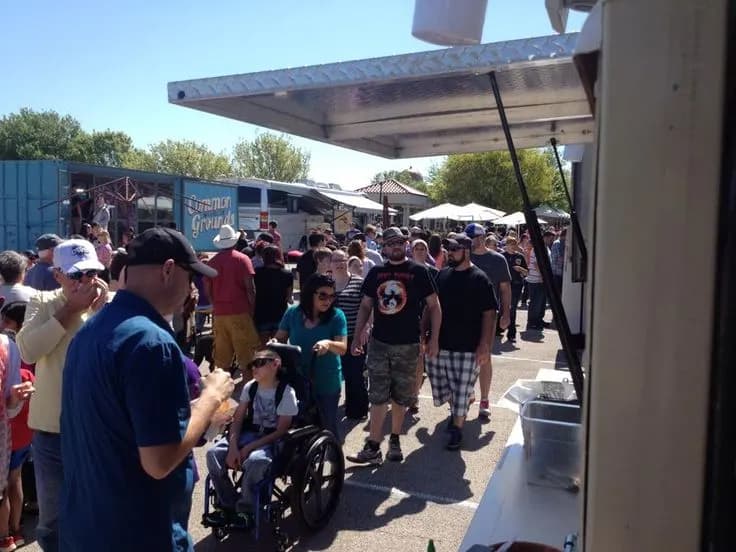
Food trucks can make an event more exciting, but long lines can quickly become a problem when many guests arrive at the same time. Whether you are planning a corporate gathering, community festival, private party, or conference, good food truck event crowd management helps keep guests moving and makes the overall experience more enjoyable.
With the right planning, organizers can reduce waiting times, improve ordering flow, and make better use of the available event space.
1. Choose the Right Number of Food Trucks
One of the first steps in managing lines is selecting enough vendors for the expected number of guests. A single truck may work well for a smaller gathering, while larger food truck events may require multiple vendors.
For example, an event could offer:
A taco food truck
An Indian food truck
A burger truck
A BBQ food truck
A dessert food truck
Offering different cuisines also spreads guests across multiple service points. Someone looking for food truck tacos may choose one vendor while another guest chooses burgers or Indian food.
2. Place Trucks Strategically
Truck placement can have a major impact on crowd movement. Avoid placing every vendor next to each other if the space allows for separate service areas.
Create enough space for:
Ordering lines
Pickup areas
Tables and seating
Walking paths
Vendor access
Waste and recycling bins
For larger event food trucks, separate ordering areas can help prevent one large crowd from forming in a single location.
3. Use Clear Signs for Menus and Lines
Guests should be able to understand where to order before they reach the truck.
Place visible signs showing:
Vendor name
Menu
Prices
Dietary options
Ordering location
Pickup location
If an event includes food truck halal options, clearly identifying them can also help guests find suitable food without asking vendors individually.
Simple signs can reduce confusion and keep the line moving.
4. Display Menus Before Guests Reach the Truck
One common cause of slow lines is people deciding what to order after reaching the counter.
Displaying menus several feet away from the truck gives guests time to make their decisions while waiting.
For example, a taco vendor can display its menu before the ordering point so guests already know which options they want. This is particularly useful when serving popular taco food trucks at busy events.
5. Separate Ordering and Pickup Areas
If the truck setup allows it, create separate areas for ordering and picking up food.
Guests who are still deciding what to order should not block people who are waiting for completed meals.
A simple flow can look like:
Menu → Order → Wait → Pickup → Seating
This arrangement can make a significant difference at busy food trucks for an event.
6. Consider Multiple Trucks for Larger Events
Large gatherings may benefit from several vendors rather than one truck serving everyone.
For example, a corporate event with several hundred attendees could offer different cuisine options. Guests naturally distribute themselves based on their preferences.
Using multiple mobile food trucks can also give attendees more choice while reducing pressure on individual vendors.
Before booking, discuss the expected guest count and service schedule with each provider.
7. Stagger Meal Times When Possible
If your event has a flexible schedule, consider staggering meal breaks.
Instead of having everyone leave a conference room at exactly the same time, organizers can create slightly different break periods for different groups.
This can help distribute demand across the available vendors.
For corporate gatherings, this approach can work particularly well when food trucks are combined with other food truck catering service options.
8. Create a Separate Space for Seating
Lines become harder to manage when guests waiting for food and guests eating are all standing in the same area.
Where possible, create a dedicated seating zone away from the ordering lines.
This gives guests a clear path from the truck to their table or seating area and prevents people from standing in service lanes.
9. Offer Different Types of Food
Menu variety can naturally distribute guests.
For example, an event could offer:
Indian food
Tacos
Burgers
BBQ
Desserts
This allows guests to choose different vendors instead of everyone waiting for the same menu.
Organizers planning food trucks to hire for events should consider both food variety and expected demand when selecting vendors.
10. Plan for Payment and Ordering Speed
Payment can also affect the speed of a food truck line.
Before the event, ask vendors which payment methods they accept and whether they can handle the expected volume.
If a vendor accepts multiple payment methods, guests may have more flexibility when ordering.
Organizers should also communicate any event-specific payment arrangements to attendees ahead of time.
11. Keep the Event Space Easy to Navigate
Good logistics for event planning should include food service areas.
Make sure trucks do not block entrances, emergency access, restrooms, or major walking routes. There should also be enough room for guests to move between food, seating, entertainment, and other event areas.
For events in the DC region, organizers may work with vendors offering DC food trucks, food trucks in DC, or food truck services throughout the DMV area.
12. Monitor Lines During the Event
Even with good planning, crowd patterns can change.
Event staff should monitor:
Which truck has the longest line
Which menu items are most popular
Whether pickup areas are becoming crowded
Whether guests are blocking walkways
Whether another vendor has excess capacity
If one line becomes too long, staff can direct guests toward other available options.
This type of active food truck event crowd management helps organizers respond before a small delay becomes a major problem.
13. Communicate With Food Truck Vendors
The event organizer and vendors should have a clear communication plan before the event starts.
Discuss:
Arrival time
Setup location
Service start time
Expected guest numbers
Menu
Dietary requirements
Payment methods
Cleanup
Emergency contact information
For larger events, professional food truck event management in Virginia or other local event coordination services may help organize vendors and schedules.
Final Thoughts
Managing lines at a food truck event starts before the trucks arrive. Choosing enough vendors, creating clear service areas, displaying menus, separating ordering and pickup, and monitoring guest flow can all help reduce unnecessary waiting.
Whether you are organizing a corporate gathering, festival, private celebration, or community event, thoughtful planning can make food trucks for events more convenient for both guests and vendors.