
Lilly
How Food Trucks Can Help Businesses Attract Customers
Food trucks are no longer limited to street corners and festivals. Businesses are increasingly using mobile food trucks to attract customers, create memorable experiences, increase foot traffic, and make promotional events more engaging.
From corporate offices and retail locations to community events and grand openings, a well-planned food truck can give customers another reason to visit a business. When combined with the right promotion, menu, location, and event strategy, food trucks can become an effective marketing tool.
Why Food Trucks Work as a Marketing Tool
Traditional advertising can tell people about a business, but a food truck can give customers an experience they can see and enjoy.
A professionally branded truck can attract attention from people passing by while providing food and entertainment at the same time. Businesses can also use the truck to support product launches, customer appreciation events, employee gatherings, and promotional campaigns.
This makes food truck marketing especially useful for businesses that want to create an experience around their brand.
1. Food Trucks Attract Attention
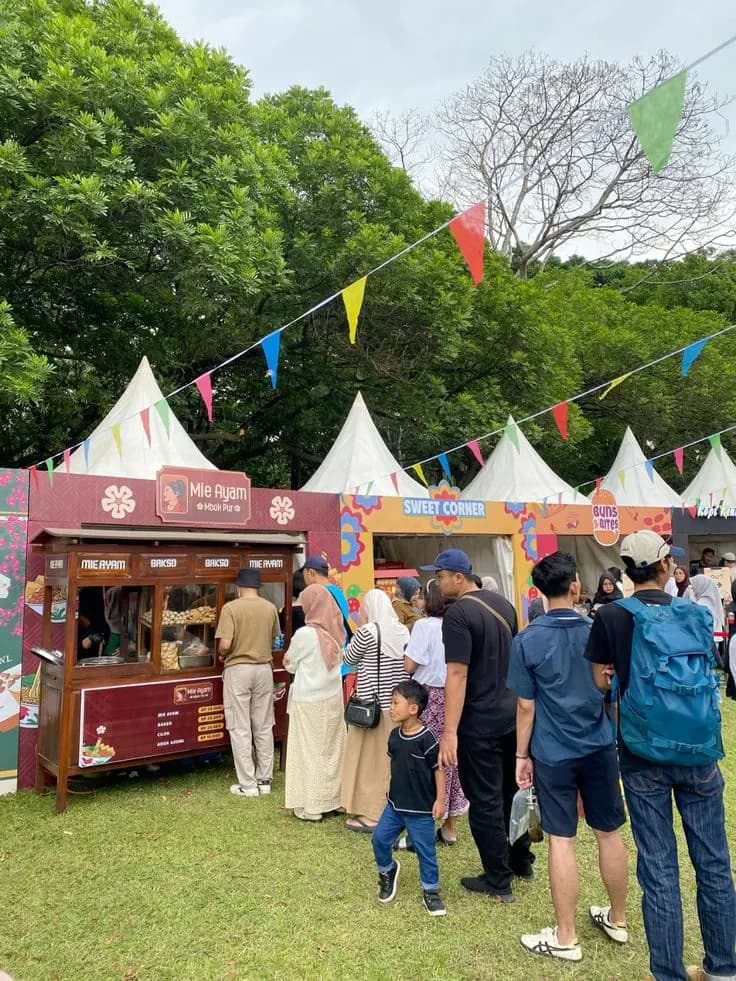
A food truck naturally creates visual interest at an event or business location. A customized truck with attractive branding can help people notice your company before they even interact with your team.
Businesses can use branded graphics, signage, menus, and promotional messages to connect the food experience with their brand.
For example, a company hosting a customer appreciation event could bring in a food truck and display its branding alongside the truck's menu and event signage.
The goal is not simply to serve food. It is to create an environment where customers want to stop, interact, and learn more about the business.
2. They Can Increase Foot Traffic
One of the biggest advantages of food trucks is their ability to give people an additional reason to visit a specific location.
Retail stores, apartment communities, dealerships, offices, and other businesses can schedule event food trucks during busy periods to encourage more people to visit.
A business could promote the event through:
Social media
Email marketing
Google Business Profile updates
Local community groups
Website announcements
Customer newsletters
Digital advertisements
When customers know that a food truck will be available at a certain time, the event can become an additional attraction.
3. Food Trucks Create Memorable Customer Experiences
Customer experience is an important part of modern marketing. Instead of simply offering discounts or advertisements, businesses can create an experience customers remember.
A food truck can make a business event feel more interactive and welcoming.
For example, a company could organize a lunch event where customers can choose from tacos, burgers, Indian food, barbecue, or dessert options. The menu can be selected according to the audience and type of event.
This is particularly useful for businesses hosting customer appreciation days, open houses, product demonstrations, and community gatherings.
4. Businesses Can Use Food Trucks for Promotional Events
Food trucks can support many different promotional campaigns.
A business launching a new product could invite customers to a launch event and provide food from a mobile vendor. A retail business could organize a weekend promotion with a food truck outside its location.
Businesses can also use food trucks for an event when they want to increase attendance at:
Grand openings
Store promotions
Customer appreciation events
Community events
Product launches
Office celebrations
Networking events
Charity events
The food becomes part of the overall event rather than being the only reason people attend.
5. Food Trucks Can Support Social Media Marketing
Food is naturally shareable, which makes food trucks useful for social media campaigns.
Businesses can encourage customers to take photos, tag the company, and share the event online. A visually appealing food truck can also provide an attractive background for photographs.
Before the event, businesses can announce:
The event date and time
Food truck details
Menu highlights
Special offers
Location
Customer activities
After the event, businesses can share photos, videos, customer reactions, and highlights.
This creates marketing content before, during, and after the event.
6. Choose the Right Food Concept for Your Audience
The food concept should match the people attending the event.
For example, a business with a diverse customer base may consider options such as halal food, Indian food, tacos, burgers, barbecue, or dessert food trucks.
The important point is to understand the audience before selecting a vendor.
Consider:
Customer preferences
Dietary requirements
Event size
Time of day
Location
Budget
Expected attendance
A suitable menu can improve participation and make the overall event more enjoyable.
7. Food Trucks Can Strengthen Corporate Marketing
Businesses can also use a food truck catering service for corporate events and employee-focused campaigns.
A company might organize a lunch for employees, host a client appreciation event, or invite customers to an office open house.
For a corporate event, businesses should consider the type of audience and the purpose of the event before choosing a vendor.
For example, a company hosting an employee appreciation day may want a relaxed menu, while a client-facing event may require a more polished food experience.
Food truck and catering options can also make event planning more flexible because food can be prepared and served at the event location.
8. Use Local Food Trucks to Connect With the Community
Local businesses can use mobile food trucks to create stronger connections with their communities.
For example, businesses in the DMV area can organize events featuring local vendors and promote them to nearby customers.
Businesses in the Washington, DC, area may use DC food trucks for office events, community gatherings, retail promotions, and customer appreciation activities.
Similarly, companies in Northern Virginia can explore food trucks in Arlington, Alexandria, Fairfax, and other nearby areas depending on the event location and vendor availability.
The key is to select a vendor that can serve the expected audience and meet the event's logistical requirements.
9. Make Food Trucks Part of a Larger Marketing Strategy
A food truck should support your marketing campaign rather than operate as a standalone activity.
Businesses can combine food truck marketing with other promotional tactics such as:
Social media campaigns
Email promotions
Customer giveaways
Local advertising
Loyalty programs
Product demonstrations
Influencer collaborations
Event photography
Branded merchandise
For example, a business could announce an upcoming event online, offer a limited-time promotion, invite customers to attend, and provide food from a local truck.
This creates multiple customer touchpoints around one event.
10. Plan the Event Carefully
Successful food truck events require planning.
Before hiring a vendor, businesses should confirm the expected guest count, event schedule, location requirements, menu, serving time, parking or setup area, and budget.
Businesses looking for food trucks for hire should also confirm whether the vendor provides the necessary event services and whether additional arrangements are required.
For larger events, working with an experienced food truck event management team can help coordinate vendors, schedules, guest flow, and logistics.
How to Measure the Marketing Results
Businesses should track results instead of simply measuring whether the event was enjoyable.
Depending on the campaign, useful metrics can include:
Event attendance
Website visits
Social media engagement
New followers
Email sign-ups
Promotional code usage
Leads generated
Customer inquiries
Sales during the campaign
Customer feedback
Tracking these metrics can help determine which food truck marketing strategies are generating useful engagement.
Final Thoughts
Food trucks can give businesses a practical way to attract attention, increase foot traffic, engage customers, and create memorable experiences.
Whether the goal is a corporate gathering, grand opening, customer appreciation event, product promotion, or community event, the right food truck can become part of a broader marketing strategy.
The best results come from matching the food concept to the audience, promoting the event in advance, planning the logistics carefully, and measuring the results afterward.
For businesses planning food truck catering events, choosing the right vendor and creating a well-promoted customer experience can turn a simple meal into a valuable marketing opportunity.
FAQs
How can food trucks help businesses attract customers?
Food trucks can attract attention, increase foot traffic, and create an engaging experience that gives customers another reason to visit a business or attend an event.
Are food trucks good for corporate events?
Yes. Businesses can use food trucks for employee appreciation events, office lunches, customer events, networking activities, and other corporate gatherings.
What type of businesses can use food trucks for marketing?
Retail stores, offices, apartment communities, dealerships, real estate companies, event organizers, and many other businesses can use food trucks as part of promotional events.
How should a business promote a food truck event?
Businesses can promote the event through social media, email marketing, their website, local community channels, digital advertising, and customer notifications.
How do I choose a food truck for a business event?
Consider the audience, menu preferences, guest count, event location, schedule, budget, dietary requirements, and the vendor's ability to handle the expected demand.