
Lilly
Food Truck Catering for University Orientation Week
University orientation week is an important time for welcoming new students, introducing campus resources, and helping students build connections. Food can make these activities more welcoming while giving students an opportunity to socialize between orientation sessions.
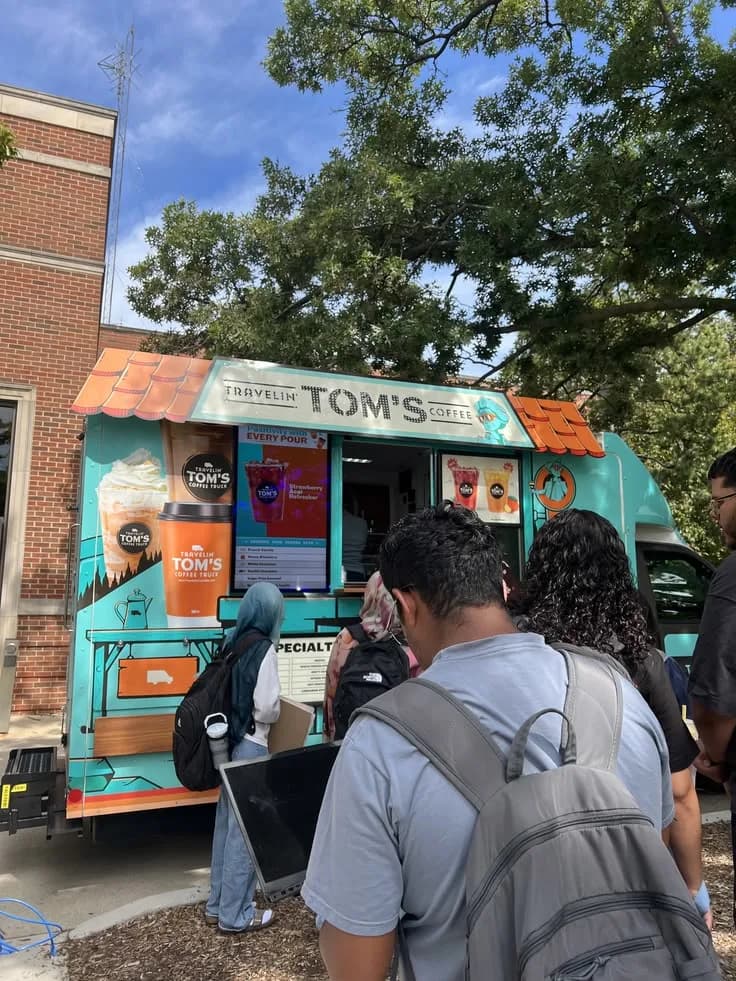
Food truck catering offers universities a flexible way to serve students, families, faculty, and staff during orientation events. Instead of relying on one traditional catering menu, universities can bring in multiple food trucks with different cuisines and service styles.
From taco food trucks and Indian food to burgers, BBQ, halal options, and desserts, a well-planned food truck program can add variety to a busy orientation schedule.
Why Food Trucks Work Well for College Orientation Events
Orientation programs often include several activities throughout the day. Food trucks can provide convenient meals without requiring a permanent dining setup in every event area.
A professional food truck catering service can help universities provide food for:
Welcome events
Student fairs
Campus tours
Outdoor gatherings
Student organization events
Parent and family activities
Evening socials
Welcome lunches
Campus festivals
Food trucks can also create natural gathering areas where new students can meet classmates and interact with other members of the university community.
1. Plan Food Around the Orientation Schedule
Before booking vendors, review the complete orientation schedule.
Identify when students will need meals, snacks, or refreshments. You may need different food service windows depending on whether orientation activities take place in the morning, afternoon, or evening.
For example:
11:30 AM: Food truck setup
12:00 PM: Lunch service begins
2:00 PM: Lunch service ends
5:30 PM: Evening food trucks arrive
6:00 PM: Evening event begins
The exact schedule should depend on attendance and the serving capacity of the selected vendors.
2. Estimate the Number of Students and Guests
Accurate attendance estimates are important when arranging food trucks for an event.
Universities should consider:
New students
Returning students
Parents
Family members
Faculty
Staff
Orientation leaders
Event volunteers
Registration numbers can provide a useful starting point.
If attendance is expected to be high, ask vendors how many meals they can serve during the planned service period. Multiple event food trucks may be appropriate for larger orientation programs.
3. Offer Different Food Options
College campuses bring together people with different tastes and dietary preferences.
A diverse food lineup can make the event more welcoming.
Possible options include:
Taco food trucks
Indian food
Halal food
Burger trucks
BBQ food trucks
Dessert food trucks
Vegetarian-friendly options
For example, one university might book an Indian food truck, a taco truck, and a dessert vendor for an evening student event.
Providing several options can also reduce pressure on one vendor and give students more flexibility.
4. Consider Student Dietary Requirements
Dietary needs should be discussed with food truck operators before booking.
Ask about available options for:
Vegetarian students
Vegan students
Halal requirements
Food allergies
Gluten-conscious diets
Common ingredient concerns
If halal meals are important for your student population, confirm the vendor's preparation practices and menu details directly.
Clear menu information can also help students make informed choices.
5. Select Vendors Based on Campus Needs
Not every food truck is suitable for a university orientation program.
When comparing vendors, consider:
Menu variety
Serving capacity
Experience with large events
Service speed
Pricing
Insurance requirements
Health and safety requirements
Setup needs
Parking requirements
Availability
If the university needs a food truck for catering, ask each vendor for complete pricing and service information before making a decision.
6. Choose the Right Campus Locations
Food trucks require enough space for parking, cooking, serving, and customer lines.
Potential locations may include:
Campus courtyards
Student centers
Parking areas
Athletic facilities
Outdoor event spaces
Residence hall areas
Before confirming a location, check campus policies and vendor access requirements.
If multiple mobile food trucks will participate, establish designated parking and service areas for each vendor.
7. Book Food Trucks Early
Orientation week can be a busy period for event vendors.
Once the university has confirmed the dates, expected attendance, and food requirements, contact vendors early.
Provide:
Orientation dates
Service times
Campus location
Estimated attendance
Number of meals needed
Preferred cuisines
Budget
Vendor requirements
Early planning gives the university more time to compare options and coordinate campus logistics.
8. Create a Student-Friendly Menu
Orientation food should be convenient to eat between activities.
Choose menu items that can be served quickly and easily.
Good options may include:
Tacos
Burgers
Wraps
Bowls
Sandwiches
BBQ
Indian street food
Desserts
A menu with too many complicated selections can slow service.
Work with vendors to identify their fastest and most popular items for large student groups.
9. Use Food Trucks as a Social Activity
Food service can become part of the orientation experience.
Instead of treating lunch as simply another scheduled meal, create a casual area where students can sit, eat, and meet one another.
Universities can combine food trucks with:
Music
Student organization booths
Games
Campus information
Welcome activities
Outdoor seating
This can help make orientation feel less formal and more interactive.
10. Promote the Food Truck Schedule
Students should know where and when food will be available.
Include food truck information in:
Orientation emails
Student portals
Campus apps
Social media
Orientation schedules
Welcome packets
Campus signage
Share the truck names, cuisines, location, and service times.
For example:
Tuesday: Taco Food Truck
Wednesday: Indian Food Truck
Thursday: Burgers and BBQ
Friday: Dessert Food Truck
A clear schedule makes it easier for students to plan around orientation activities.
11. Use Social Media to Build Excitement
Food is highly visual, making it useful for orientation promotion.
Universities can post:
Vendor introductions
Menu previews
Food photos
Orientation countdowns
Short food videos
Student polls
Event reminders
You could ask students to vote between several menu options before orientation week.
This can increase awareness and make students feel involved before they arrive on campus.
12. Consider Local Food Trucks
If the university is located in the DMV, local vendors can provide convenient access to regional food options.
Depending on the campus location, universities may consider providers serving DC food trucks, food trucks in DC, Virginia, or Maryland.
For campuses near Arlington or Alexandria, local vendors may also be able to serve events in those areas.
Always confirm vendor availability and campus requirements before booking.
13. Plan for Long Lines
Large orientation events can create significant demand within a short period.
To reduce waiting times:
Use multiple food trucks
Keep menus focused
Spread vendors across suitable locations
Stagger meal periods
Display menus before guests reach the truck
Provide clear queue areas
Monitor lines during service
For larger food truck catering events, having an event coordinator can help identify problems before they affect the student experience.
14. Set a Clear Budget
University orientation budgets may need to cover many activities, so food costs should be planned carefully.
Ask vendors about:
Per-person pricing
Minimum orders
Service fees
Travel fees
Staffing
Setup requirements
Payment terms
Cancellation policies
If the budget is limited, consider affordable food trucks or a simplified menu.
You can also schedule different vendors on different days instead of booking several trucks at once.
15. Coordinate Campus Logistics
Food trucks require more than a menu and a booking.
Coordinate with the appropriate university departments regarding:
Vendor access
Parking
Insurance
Health requirements
Electrical needs
Waste disposal
Fire safety
Campus security
Setup and breakdown
A designated event contact should be available on orientation day to assist vendors.
Good food truck and catering coordination can make the event easier for both the university and the food truck operators.
16. Give Students Clear Information
Students should not have to search for basic food information.
Include details such as:
Where food trucks are located
When they are open
Available cuisines
Dietary options
Payment methods
Whether meals are included
Where to sit
Where to find additional information
This is especially important for first-year students who may not yet know the campus.
17. Collect Feedback After Orientation
After orientation week, ask students what they thought about the food program.
Questions can include:
Which food options did you enjoy?
Were the lines reasonable?
Was there enough variety?
Were dietary options available?
Which vendors would you like to see again?
What could be improved?
The feedback can help the university plan future orientation and campus events.
Benefits of Food Truck Catering for Universities
A well-organized food truck program can provide several practical benefits:
Menu variety
Flexible service locations
Convenient outdoor dining
Social opportunities for students
Multiple cuisine options
Flexible scheduling
Scalable service for different attendance levels
Food trucks can also be used beyond orientation week for student festivals, alumni events, staff appreciation, athletic events, and other campus gatherings.
University Orientation Food Truck Checklist
Before orientation week, confirm:
Event dates and service times
Estimated student attendance
Food truck vendors
Menu selections
Dietary requirements
Vendor pricing
Campus parking locations
Insurance and compliance requirements
Waste and cleanup plan
Student communications
Event-day contact
Backup plan for weather
Final Thoughts
University orientation is about helping students feel comfortable, connected, and welcomed. Food can play an important part in creating that experience.
Food truck catering gives universities the flexibility to offer different cuisines while creating convenient social spaces around campus.
From taco food trucks and Indian food to halal meals, burgers, BBQ, and desserts, the right combination of vendors can provide variety for a diverse student audience.
With early planning, clear communication, thoughtful menu selection, and effective event coordination, food trucks can become a practical part of a successful college orientation program.