
Lilly
Food Truck Builder in Manassas, VA: Complete Guide
Starting a mobile food business in Northern Virginia requires more than buying a vehicle and installing kitchen equipment. Your food truck needs the right layout, commercial-grade equipment, plumbing, electrical systems, ventilation, storage, flooring, and safety features to support daily operations.
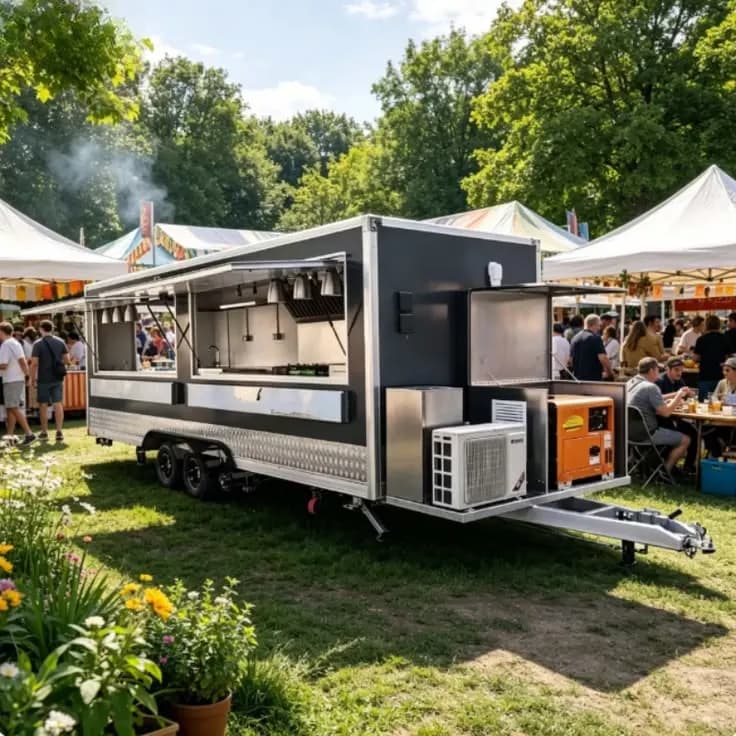
For businesses searching for a food truck builder in Manassas, choosing an experienced builder can make the entire process easier. From initial design and layout planning to fabrication and equipment installation, a professional builder can help turn your business idea into a functional mobile kitchen.
Why Choose a Food Truck Builder in Manassas, VA?
Manassas is strategically located within the Northern Virginia and DMV region, making it a practical location for businesses serving customers across Virginia, Washington, DC, and Maryland.
Working with a local food truck builder in Manassas can provide several advantages, including easier communication, access to a local fabrication facility, and a better understanding of mobile food businesses operating throughout the DMV.
A local builder can also help you plan your truck around the type of food you intend to serve, the equipment you need, and the requirements of your operating location.
What Does a Food Truck Builder Do?
A professional food truck builder handles much more than the exterior appearance of a truck.
The construction process can include:
Food truck design and layout
Interior fabrication
Commercial kitchen equipment installation
Plumbing systems
Electrical systems
Refrigeration
Cooking equipment
Ventilation and hood systems
Fire suppression systems
Food preparation areas
Storage solutions
Flooring and wall finishes
Serving windows
Exterior branding and finishes
The goal is to create a mobile kitchen that is practical, durable, and designed around your specific menu and workflow.
Custom Food Truck Design in Manassas
Every food business has different operational needs. A burger truck may require different equipment from an Indian food truck, taco operation, dessert concept, or coffee business.
That is why customizable food trucks can be a better option than trying to adapt a standard layout to your business.
During the design stage, the builder can consider where employees will work, where food will be prepared, how equipment will be positioned, and how customers will interact with the truck.
A well-planned layout can help reduce unnecessary movement and make better use of the limited interior space.
Food Truck Manufacturing Process
Understanding the manufacturing process can help you know what to expect when working with a builder.
1. Concept and Business Requirements
The first step is defining your food concept and operational requirements.
Consider your menu, expected volume, number of employees, cooking methods, storage needs, refrigeration, and customer service process.
Your menu directly affects the equipment and layout required inside the truck.
2. Layout and Design
Once the requirements are established, the interior layout can be developed.
The design should account for equipment dimensions, employee movement, plumbing, electrical connections, ventilation, storage, and serving areas.
This is one of the most important stages because changes are generally easier to make during design than after fabrication.
3. Fabrication
The builder then begins constructing the interior components and installing the necessary systems.
Depending on the project, fabrication may include counters, cabinets, storage areas, equipment supports, walls, flooring, serving windows, and other custom components.
4. Equipment Installation
Commercial kitchen equipment is installed according to the approved layout.
Equipment may include:
Griddles
Fryers
Ovens
Refrigerators
Freezers
Prep tables
Sinks
Hot holding equipment
Food storage systems
The exact equipment depends on the menu and production requirements.
5. Plumbing and Electrical Systems
A mobile kitchen needs properly planned plumbing and electrical systems.
Water supply, wastewater, sinks, electrical circuits, outlets, and equipment connections should be incorporated into the design instead of added as an afterthought.
6. Ventilation and Fire Safety
Cooking equipment can produce heat, smoke, grease, and airborne particles. Depending on the equipment and local requirements, the truck may need a commercial hood and fire suppression system.
These systems should be considered during the initial design so that they work properly with the kitchen layout.
7. Final Inspection and Preparation
Before putting the truck into operation, the completed unit should be reviewed to make sure the installed systems and equipment are functioning correctly and that the project is ready for applicable inspections and approvals.
What Equipment Do You Need in a Food Truck?
The equipment required depends primarily on your menu.
For example, a burger concept may need a griddle, fryer, refrigeration, prep space, and holding equipment. An Indian food concept may require different cooking equipment, while a dessert business may need specialized refrigeration and preparation areas.
Instead of choosing equipment first and designing around it later, it is generally more efficient to create the kitchen layout around your menu and workflow.
Food Truck Builder vs. DIY Conversion
Some entrepreneurs consider converting a vehicle themselves to reduce the initial cost. However, a commercial mobile kitchen involves many systems that need to work together.
A professional builder can coordinate fabrication, equipment installation, plumbing, electrical work, ventilation, and other components as one integrated project.
DIY conversions can also create challenges when the completed truck needs to meet applicable health, safety, or inspection requirements.
For a business planning to operate professionally, working with experienced food truck manufacturing companies can provide a more structured approach to the build.
Food Truck Services for the DMV Area
A food truck built in Manassas does not necessarily have to serve only Manassas.
Businesses operating throughout Northern Virginia and the wider DMV may need mobile kitchens that can support their specific business model and operating locations.
This makes food truck services DMV area businesses especially relevant for entrepreneurs planning to operate across multiple markets.
Depending on your business model, your truck may serve customers in areas such as Fairfax, Arlington, Alexandria, and Washington, DC.
Serving Fairfax and Northern Virginia
Businesses searching for food trucks Fairfax VA and nearby areas can benefit from a mobile kitchen designed specifically around their menu and service model.
A properly designed truck can support different types of operations, including regular street service, private events, corporate functions, festivals, and other permitted locations.
If you plan to operate in multiple jurisdictions, it is important to understand that local requirements can vary. Always verify the applicable permits, licenses, inspections, and operating requirements for each location where you intend to work.
Food Truck Permits and Licenses
Building the truck is only one part of starting a mobile food business.
Depending on where you operate, you may need different permits, business licenses, health approvals, inspections, and other documentation.
The requirements can vary between Virginia jurisdictions and Washington, DC.
Entrepreneurs should research food truck permits and licenses before finalizing their truck design. Understanding the requirements early can help prevent expensive modifications later.
A professional builder may also be able to provide guidance about construction features that commonly relate to health and safety requirements, although final approval comes from the applicable authorities.
How Much Does a Food Truck Build Cost?
There is no single price for a custom food truck because the final cost depends on the scope of the project.
Factors that can affect the price include:
Vehicle type and size
New or existing vehicle
Kitchen equipment
Refrigeration
Electrical requirements
Plumbing
Hood and ventilation
Fire suppression
Interior materials
Custom fabrication
Branding and exterior finishes
Additional specialty equipment
A simple mobile kitchen will have different requirements from a high-production commercial kitchen.
Instead of comparing builders based only on the initial price, consider the quality of construction, equipment installation, materials, warranty, project communication, and long-term functionality.
Questions to Ask a Food Truck Builder
Before selecting a builder, ask questions about the complete project.
Can you customize the layout?
Your kitchen should be designed around your menu and workflow rather than forcing your business into a generic layout.
Do you install commercial kitchen equipment?
Knowing whether equipment installation is included can help you understand the complete project scope.
Do you handle plumbing and electrical work?
These systems are essential to a functional mobile kitchen and should be clearly included in the project plan.
Can you build different types of mobile kitchens?
A builder with experience across different concepts may be better equipped to create a solution that matches your specific requirements.
Can you help with health and safety requirements?
Ask what construction documentation and guidance the builder provides and separately confirm requirements with the relevant local authorities.
How to Choose the Best Food Truck Builder in Manassas
When comparing builders, look beyond photographs of completed trucks.
Consider:
Experience: Review previous mobile kitchen projects.
Customization: Make sure the builder can adapt the design to your menu.
Equipment installation: Confirm which kitchen equipment and systems are included.
Construction quality: Ask about materials and fabrication methods.
Safety: Discuss ventilation, electrical, plumbing, and fire-safety systems.
Communication: Make sure the project scope and timeline are clearly documented.
Local knowledge: Ask whether the builder has experience with projects in Virginia and the DMV.
After-build support: Find out whether repairs, upgrades, or modifications are available later.
Final Thoughts
Choosing a food truck builder in Manassas, VA is an important decision for anyone starting or expanding a mobile food business.
A successful food truck requires more than attractive branding. The kitchen needs to be designed around your menu, equipment, workflow, storage, sanitation, safety, and daily operating requirements.
Whether you need a new custom build, a renovation, or a specialized mobile kitchen, working with an experienced builder can help you create a truck that is designed for real-world commercial use.
For businesses operating in Northern Virginia and the DMV, starting with a clear kitchen plan and understanding local requirements can make the building process smoother and help you avoid unnecessary changes later.